
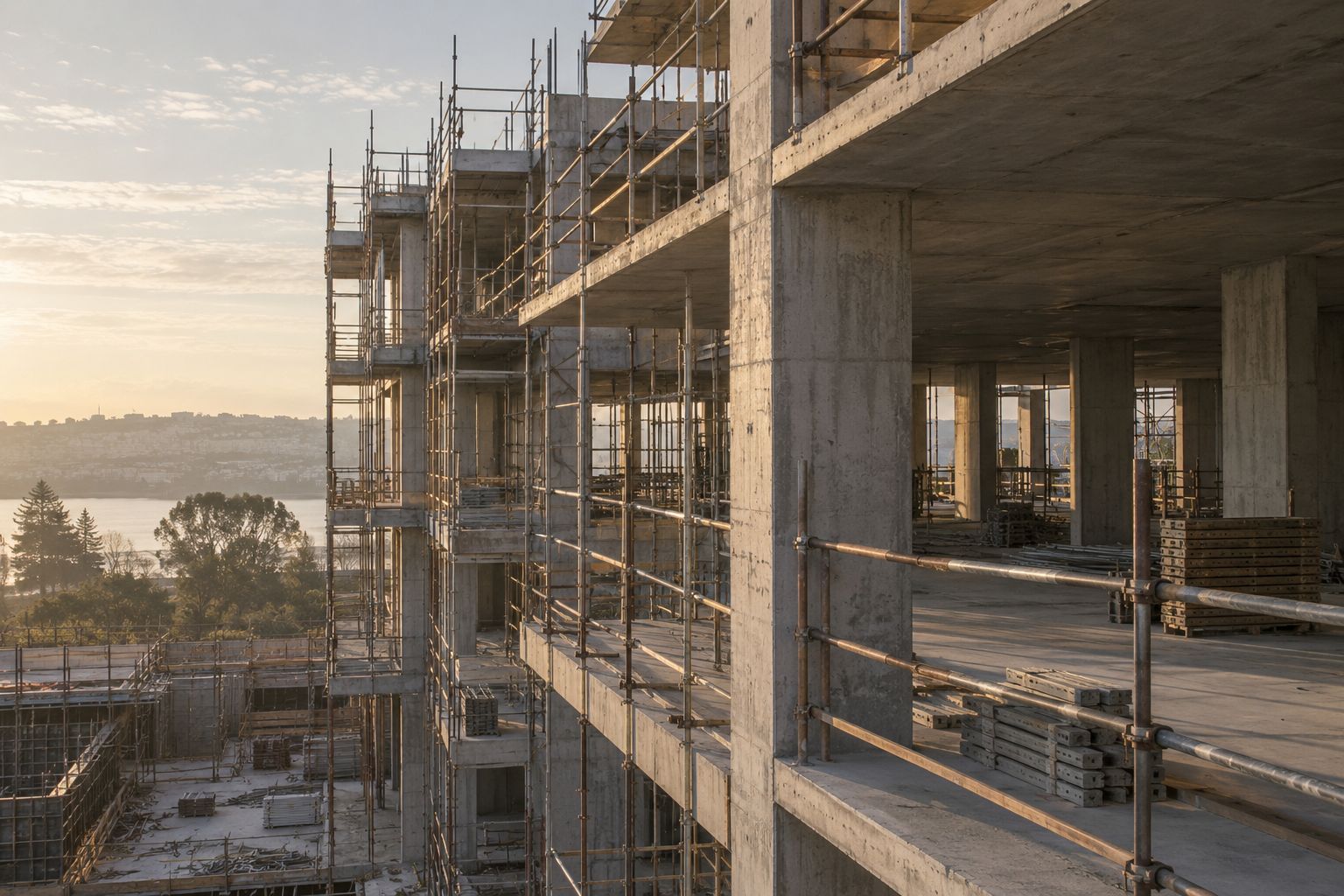

A development manager acts for the owner of a scheme. Their job is to get the best result from the site or building, from the first appraisal to the point the value is realised, whether that is a sale, a letting or a finished building. They do not design it or build it. They decide, with the owner, what should happen, then make sure the people who design and build it deliver that.
What they do at each stage
- Before buying. Test what the site could take, what it would cost and what it would be worth, and check the title, the planning history and the ground before the price is agreed.
- Design and planning. Appoint the architect, planning consultant and engineers, set the brief, and manage the planning application, including negotiations over affordable housing and other obligations.
- Cost and viability. Keep the appraisal up to date as the design, the costs and the market move, so decisions are made on current numbers.
- Getting ready to build. Decide how the work will be bought and who carries which risk, and appoint the project manager and the builder.
- The exit. Advise whether to sell with consent, build and sell, or build and keep, and manage the route chosen with the agents and solicitors.
Development manager or project manager?
A development manager looks after the whole scheme: the site, the team, planning, money and the exit. A project manager looks after the building work: the brief, the design team, the tender, the contract and the builder, through to handover. On many schemes one appointment covers both. On larger ones they are separate roles, with the project manager reporting to the development manager.
When you need one
- You own land or a building and want to develop it, but have no development team of your own.
- You are funding a scheme you do not want to run day to day.
- Your lender wants to know who is managing the project.
- You are a developer with more schemes than staff.
- A scheme has stalled and needs someone to take it back in hand.
How they are paid
Common arrangements are a monthly fee, a percentage of the build cost or the scheme value, or a lower fee with a success payment on consent or sale. Whatever the arrangement, the scope should be written down: what the role covers, what it does not, and who decides what.
What to look for
- Independence. A development manager who is also selling you design, construction or agency services has a stake in the answer.
- Appraisal skills. Most of the value is won or lost in the numbers before anything is built.
- Experience across the whole process, from buying land to handing over finished homes or buildings.
In East Hertfordshire, acting as development manager for a developer, we handled the acquisition of a site, secured planning consent and then helped the client sell the consented asset. Read the case study.